Birdwatching IN NORWAY

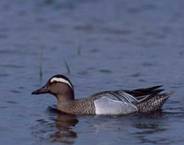
Garganey, though rare, can sometimes turn up at the lake

Tekstboks: Litlvatnet is one area that is worth spending some time. Fully protected since 1983, this nature reserve comprise of shallow water with extensive reed beds. The lake is surrounded by farmland, which in its own right provides food and shelter for several species. Formed during the last ice age when sea levels dropped leaving exposed areas of land and trapped water from the melting ice, today's Litlvatnet is a remnant of this.
Over 110 species have been recorded, and while many of them like Both Red-throated Diver and Black-throated Diver are only visitors, the small lake has a good breeding population of breeding species. Grey Heron can be seen throughout the year while Whooper Swan is mainly a winter visitor with some birds passing through on their way north in early spring. Eurasian Wigeon, Common Teal and Mallard breed in the area while such species as Northern Pintail, Garganey and Northern Shoveler have been seen on passage. Tufted Duck breed in the area and Common Goldeneye is regularly seen. Greater Scaup, Red-breasted Merganser and Goosander can be seen on the lake at different times of the year. Raptors can be found in the area with always the chance of Northern Goshawk. Osprey has also been seen as has White-tailed Eagle. Common Coot is an uncommon breeding species in the county, but Litlvatnet has a small breeding population. Wader numbers are governed by water levels and the amount of shoreline and sandbanks that are showing. European Golden Plover can be found during spring on the surrounding farmland as can Northern Lapwing. Other waders you are likely to see during the breeding season include Common Snipe, Common Redshank and Common Sandpiper. Look out for "roding" Eurasian Woodcock during the spring months while autumn brings with small flocks of Ruff. The surrounding farmland holds a selection of the commoner Scandinavian species, however Corncrake has been recorded, so a late evening walk during May/June just may give results. During spring listen out for Wood Warbler, though not a common species in the county, the species has been seen is suitable habitat around the lake. And lastly the reedbeds, these provide perfect habitat for such species as Sedge Warbler and Reed Bunting.
How To Get There:  An Observation tower is planned in the area, and could be built in the next year or so. Other than that there is several view points from the surrounding roads. In addition you can also view the lake from Lysheim school and some of the paths that can be found in the area. While in the area, also check out Lake storvatnet. Though it is much the less the same species, there could be something of interest.
Map
 

Agdenes

Accommodation

Selva Kro
tel:  00 47 72491234